
Driver Vehicle Inspection Report Template
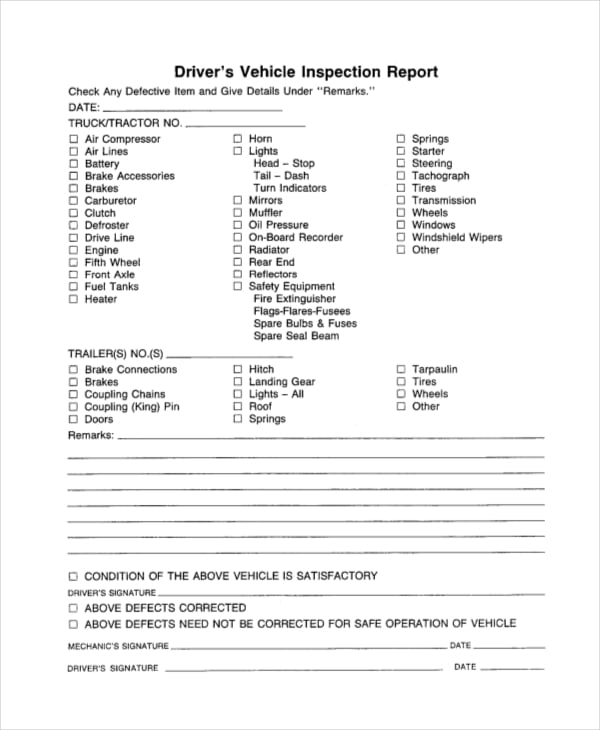
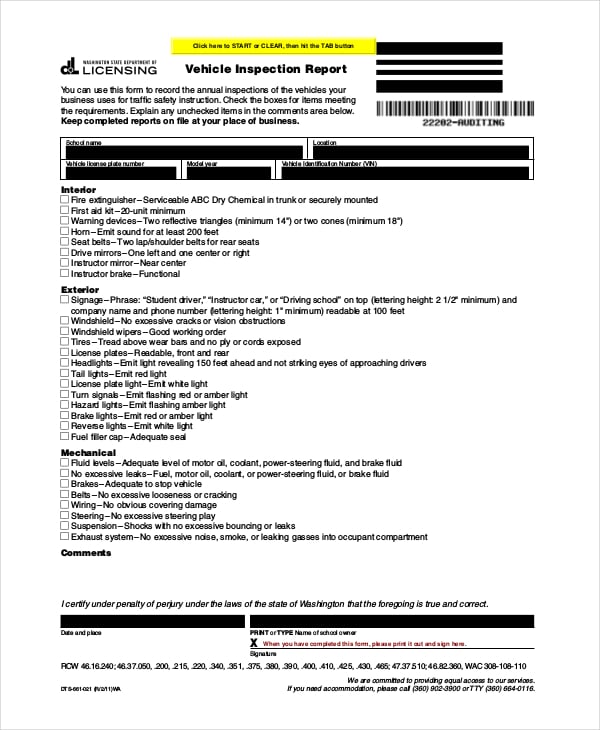
Vehicle Inspections and truck maintenance using a DOT vehicle inspection form can help you control costs and keep drivers safe on the road. A properly executed vehicle inspection can help your drivers:. Discover unsafe conditions before they cause accidents or crashes. Find mechanical problems before they lead to costly breakdowns. Avoid being placed out of service during a roadside DOT inspection, or being subject to infractions and fines Understanding critical information about performing a vehicle inspection, filling out vehicle inspection forms, and the consequences of a roadside inspection, helps protect your equipment, your drivers, and your organization's reputation. And, not only do vehicle inspections make good sense – they are required. Drivers also need to know what to check on the vehicle and how to spot defects, who to call when there is a problem, and how and when to submit documentation.
Printable Vehicle Inspection Report
Condition of the above vehicle is satisfactory. Driver’s signature:_____ above defects corrected. Driver’s vehicle inspection report. Vehicle inspection report, vehicle inspection report Template, vehicle inspection report sample, vehicle inspection report form.
A regimen of a complete pre-trip at the beginning of the day, walk-around inspection every time the vehicle is parked, and a post-trip at the end of the day is the best practice. That, coupled with a competent maintenance department, can keep your vehicles on the road, in good shape, and help keep your CSA BASIC scores low. Recruit and retain qualified certified technicians for annual/periodic, brake inspections and A/C repairs.
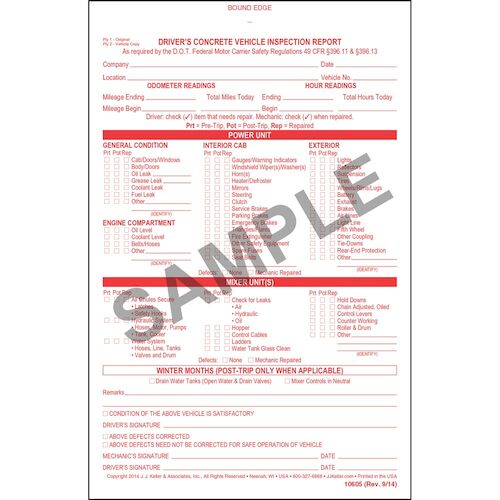
Provide initial training and retraining for mechanics and drivers. Drivers also need to know who to call when there is a problem and how and when to submit documentation. Allow drivers to “red tag” equipment to alert other drivers and the maintenance team of needed repairs.
Celebrate success and share the savings. This need not be a “bonus” program; it may simply take the form of gas cards or other certificates that recognize when an associate contributes to high level objectives by executing their role well. Consider quarterly PMs. It pays to have a qualified mechanic take a deeper look more than once a year. This will be an investment in “peace of mind” and provide lower overall operational expenses.
Based on the needs of the company, determine PMs by time, miles or engine hours. Have an established a schedule for trailers, lift gates and other special equipment as well as power units. Have “Inspection Lanes”: a designated lane or shop where vehicles enter or exit the facility. Drivers can bring up complaints and have them checked on the spot. An Inspection Lane may be too expensive or cumbersome for every fleet so in place they may use Yard Checks. Have specified times throughout the day, have technicians that will “cruise” the yard and check the equipment that is newly arrived in the yard.
Conduct random “stakeouts” at customers, carrier’s lots, or fuel locations. Track how many drivers do the required inspections. Conduct pre-service inspections to new equipment or equipment that has been inactive for a while.
Contact the OEM (Original Equipment Manufacturer) that built the vehicles. Most OEMs have an inspection and preventative maintenance (PM) schedule available for the vehicles they build. Establish “pull points” or “cut off points.” This is a pre-determined “wear and tear” threshold that when reached, is the trigger for the part or component to be removed and replaced.
SUMMARY: FMCSA rescinds the requirement that commercial motor vehicle (CMV) drivers operating in interstate commerce, except drivers of passenger-carrying CMVs, submit, and motor carriers retain, DVIRs when the driver has neither found nor been made aware of any vehicle defects or deficiencies. This rule also harmonizes the pre- and post-trip inspection lists. Arduino mysql library.
It responds in part to the President’s January 2011 Regulatory Review and Reform initiative, removing a significant information collection burden without adversely impacting safety. The Agency also makes a technical change to section 396.11 to eliminate redundant language.